Massachusetts -As tick season ramps up across Massachusetts, state health officials are warning residents about a growing concern that many people have never heard of: Alpha-gal Syndrome, a rare allergy that can develop after being bitten by a lone star tick.
The condition has been gaining attention as lone star ticks continue spreading into Massachusetts, particularly in southeastern parts of the state, Cape Cod, Martha’s Vineyard, and Nantucket. While most people think of ticks as carriers of Lyme disease, health experts say these ticks can trigger a completely different problem — an allergy to red meat and other products made from mammals.
Alpha-gal Syndrome occurs when a person is bitten by a lone star tick and their immune system reacts to a sugar molecule called alpha-gal that is found in most mammals. After the bite, some people develop allergic reactions when they eat foods such as beef, pork, lamb, venison, or products containing ingredients derived from mammals.
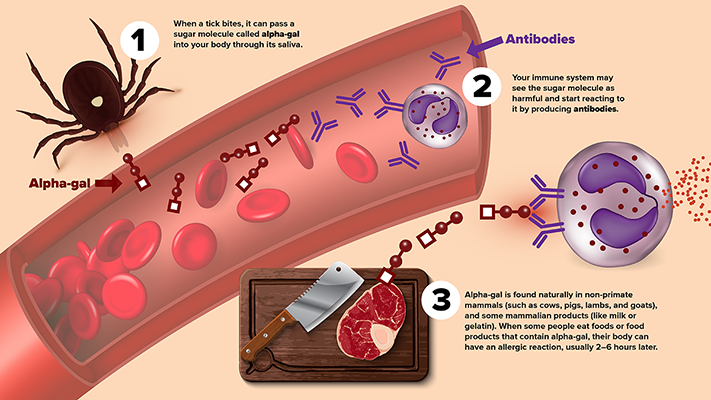
What makes the condition especially difficult to identify is that symptoms often don’t appear immediately. Unlike many food allergies that cause reactions within minutes, Alpha-gal Syndrome symptoms can develop several hours after eating. Because of that delay, many people don’t realize their symptoms are connected to something they ate earlier in the day.
Doctors say symptoms can range from mild to severe and may include hives, itching, stomach pain, nausea, vomiting, diarrhea, swelling of the lips or throat, difficulty breathing, and in some cases, life-threatening anaphylaxis that requires emergency treatment.
Massachusetts health officials recently made Alpha-gal Syndrome a reportable disease, allowing public health agencies to track cases and better understand how widespread the condition may be throughout the state. Officials say the move comes as lone star tick populations continue to expand across New England.
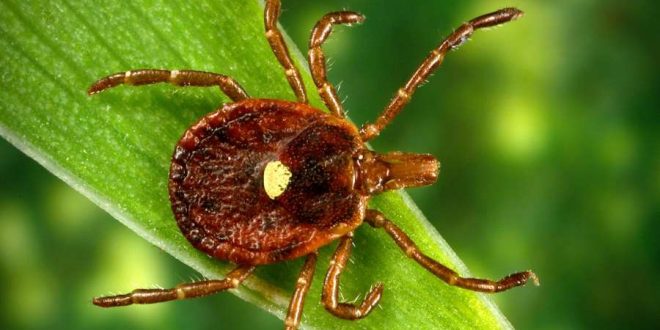
The lone star tick is named for the single white spot found on the back of adult females. While once considered uncommon in Massachusetts, the species has become increasingly established in recent years. Experts believe warmer temperatures and changing environmental conditions have helped the ticks spread farther north.
Health officials are urging residents to take extra precautions when spending time outdoors this summer. Recommended steps include using tick repellent, wearing long sleeves and long pants in wooded or grassy areas, checking yourself, children, and pets for ticks after being outside, and removing attached ticks as soon as possible.
Anyone who experiences unexplained allergic reactions after eating red meat, especially if they have recently been bitten by a tick, is encouraged to speak with their doctor. Early diagnosis can help people avoid future reactions and better manage the condition.
With tick activity expected to remain high throughout the summer, health officials say awareness and prevention remain the best defenses against Alpha-gal Syndrome and other tick-borne illnesses affecting Massachusetts residents.
Join the Plimoth Y2K Usenet Discussion
Engage with local readers, share community stories, and browse threaded community bulletin boards in our classic web forum.