Empty Reserves and Multi-Million Dollar Deficits: Brockton Faces Financial Reckoning

BROCKTON, MA — The City of Brockton is facing a severe financial shortfall as its general reserves near total depletion, forcing municipal and school leaders to prepare for hard choices—including potential layoffs, budget cuts, and requests for state assistance.
Speaking before the Brockton School Committee, newly appointed Interim Chief Financial Officer John “Jay” Condon delivered a candid assessment of the city’s fiscal health, warning that past reliance on savings to balance municipal budgets is no longer viable.
“We’ve got, I’ll just say, multi-multi-million dollar difficulty going from where we are today to putting a balanced budget together next year… Our piggy banks just don’t have any money in them anymore.”
— Jay Condon, Interim CFO, City of Brockton
Key Takeaways
- Reserves Nearly Exhausted: The city’s general stabilization fund has fallen to $225,850, while the Chapter 324 rainy day reserve—created during a prior municipal crisis in the 1990s—was fully depleted to balance last year’s budget.
- Prior-Year Deficits: State regulations require Brockton to resolve unpaid shortfalls dating back to FY2021 before the Massachusetts Department of Revenue (DOR) will approve property tax rates or allow tax bills to be issued.
- A Strategic Reset in City-School Relations: Following past friction between school officials and previous city financial leadership, School Committee members welcomed Condon’s emphasis on transparency and shared data.
- Cost Mitigation Measures: Mayor Moises Rodrigues has implemented a citywide hiring freeze and hinted at ongoing talks with manufacturing firms to expand the commercial tax base.
Depleted Savings Force Immediate Action
For several years, Brockton leveraged reserve funds to absorb operating deficits and avoid mid-year layoffs. However, city leadership confirmed that those cushions are gone.
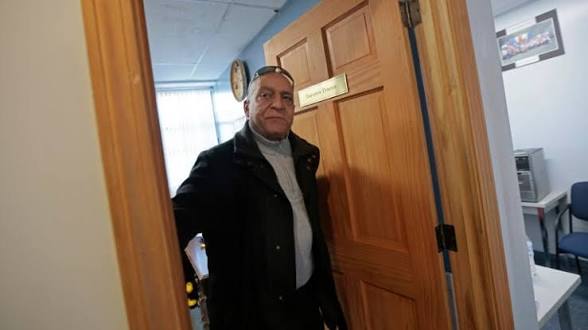
Mayor Moises Rodrigues noted that addressing the lingering shortfalls from FY2021 onward is non-negotiable under state law:
“We don’t have a choice. We must address these budget gaps from prior years. The Department of Revenue requires the city to resolve all outstanding shortfalls before approving our tax rate and issuing property tax bills.”
— Moises Rodrigues, Mayor of Brockton
With the primary stabilization fund down to roughly $226,000, the city has limited short-term flexibility to absorb further unexpected expenditures.
Background: A Pattern of Fiscal Strain
Brockton’s current financial pressure follows a tumultuous period marked by major municipal and educational budget deficits:
+-----------------------------------------------------------------------+
|                    BROCKTON FISCAL CRISIS TIMELINE                    |
+-----------------------------------------------------------------------+
|                                                                       |
|  [Early 1990s] ---------------------------------------------------->  |
|  Chapter 324 legislation passed to manage historical debt.            |
|                                                                       |
|  [FY2021 – FY2023] ------------------------------------------------>  |
|  Unresolved shortfalls accumulate across city & school departments;   |
|  School district uncovers $18M+ deficit in FY23.                      |
|                                                                       |
|  [Recent Actions] ------------------------------------------------->  |
|  Chapter 324 rainy day funds completely exhausted;                    |
|  General Stabilization Fund drops to $225,850.                        |
|                                                                       |
|  [Current Status] ------------------------------------------------->  |
|  Citywide hiring freeze enacted;                                      |
|  DOR oversight active; Interim CFO calls for multi-year recovery plan. |
|                                                                       |
+-----------------------------------------------------------------------+
Previous friction between Superintendent of Schools Priya Tahiliani and former CFO Troy Clarkson stemmed from unexpected increases in assessed school pension obligations. In contrast, Tahiliani noted that Condon’s initial estimates matched the school department’s internal projections, signaling an improving working relationship.
Potential Pathways Forward
While Massachusetts state law sets minimum education spending limits (Net School Spending) that protect core classroom funding, discretionary services—such as student transportation and administrative overhead—could face reductions.
To prevent a sudden structural collapse, city and school officials are evaluating several potential mechanisms:
- Citywide Hiring Freeze: Immediate restriction on filling vacant municipal roles without direct authorization from the Mayor’s Office.
- Proposition 2 ½ Override: A potential ballot measure asking local voters to approve a property tax increase above the standard cap.
- Multi-Year Deficit Amortization: Requesting legislative or regulatory permission from the state to spread out shortfall payments over multiple fiscal years.
- Economic Development: Pursuing commercial and industrial business relocations to boost long-term municipal revenue.
As municipal and school leaders prepare for upcoming budget cycles, Condon emphasized the need for unity across municipal departments: “The solution to this is going to be pulling together. Nobody is going to be happy with where we end up.”
Donate to Plimoth Today
Help sustain Plimoth & local Plymouth County news. Empower community journalism today!