One Juror Holds Out as Lindsay Clancy Jury Remains Deadlocked

One Juror Holds Out as Lindsay Clancy Jury Remains Deadlocked in Murder Trial
Massachusetts — A single juror is reportedly holding out as deliberations continue in the highly watched Lindsay Clancy murder trial, leaving the jury unable to reach a unanimous verdict.
The jury has been deliberating for several days in the case involving Clancy, who is accused of killing her three young children inside the family’s Duxbury home in January 2023. The case has drawn national attention because of the circumstances surrounding the deaths and the questions surrounding Clancy’s mental state.
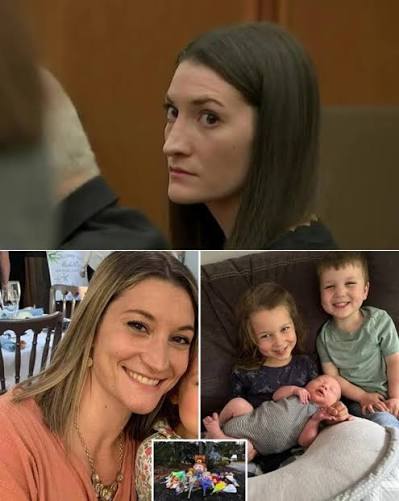
According to reports from inside the courtroom, the jury has indicated that it remains deeply divided. Clancy’s defense attorney has reportedly suggested that the jury is split 11–1, although the exact breakdown has not been officially confirmed by the court.
The reported disagreement centers in part on the legal standard of reasonable doubt and how jurors should apply the judge’s instructions when considering the evidence.
The jury’s foreperson reportedly sent a note to the judge raising concerns about one juror’s approach to the deliberations. Clancy’s attorney subsequently asked the judge to remove that juror from the panel.
Judge William Sullivan declined the request, allowing the deliberations to continue with the original jury.
The development comes after weeks of testimony and evidence presented during the trial. Prosecutors have argued that the evidence supports the charges against Clancy, while the defense has challenged the prosecution’s interpretation of what happened and has placed significant emphasis on Clancy’s mental health and condition at the time of the deaths.
As deliberations continue, jurors are required to consider the evidence presented in court and follow the judge’s legal instructions. They must reach a unanimous verdict for a conviction or acquittal.
A disagreement among jurors does not necessarily mean that the case is over. Juries can remain in deliberations for extended periods while attempting to resolve differences over the evidence and the law.
However, if the jury ultimately cannot reach a unanimous decision, the judge could declare a mistrial because of a hung jury. That would mean there is no final verdict from this jury and could potentially allow prosecutors to pursue another trial.
For now, the deliberations continue, with attention focused on whether the remaining jurors can reach an agreement.
It is important to remember that a reported 11–1 split has not been formally established by the court, and the public does not know exactly how each juror currently stands on every charge.
Editor’s Note: A jury’s inability to reach a verdict does not determine guilt or innocence. The decision must be based on the evidence presented at trial and the legal instructions provided by the judge.
Donate to Plimoth Today
Help sustain Plimoth & local Plymouth County news. Empower community journalism today!