Bridgewater Campus Safety Under Scrutiny After Level 3 Sex Offender Enrolls

A viral social media alert posted by the Bridgewater Police Department on Wednesday, August 26, has thrust campus safety and administrative accountability into the national spotlight. The post identified 51-year-old Joshua Miguel, a registered Level 3 sex offender who had successfully enrolled as a student at Bridgewater State University (BSU).
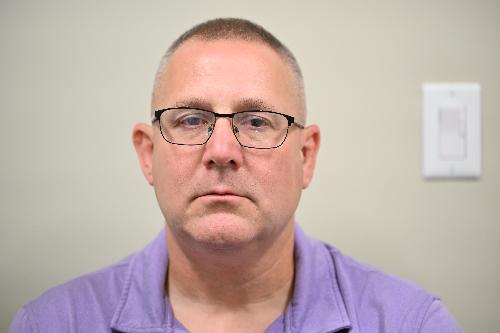
Miguel’s criminal history is deeply disturbing. In 2013, he was convicted in Fall River Superior Court on multiple severe charges, including statutory rape of a child, rape of a child with force, and disseminating matter harmful to minors, following offenses committed against a young victim between 2010 and 2011. Despite these grave convictions, Miguel managed to bypass initial institutional checks by omitting his criminal past and lying directly on his university admissions application.
Swift Action and Broad Repercussions
Once the Bridgewater Police Department’s Facebook alert gained traction online, members of the BSU community quickly flagged the post. Alerted to the severe security risk on their campus, university administrators took swift action, moving rapidly to unenroll Miguel before he could fully integrate into campus life.
However, the fallout from this incident extends far beyond BSU’s borders. Within the following week, Bristol Community College (BCC)—located in Fall River—released a follow-up statement acknowledging that the very same individual had previously attended and graduated from their institution. While BCC officials noted that they were aware of Miguel’s offender status and adhered to their established “Sex Offender Communication Policy,” the revelation shocked many students and community members who believe higher education institutions should enforce stricter boundaries.
The Core Debate: Transparency vs. Student Safety
Level 3 sex offenders are legally classified as individuals posing a high risk of reoffending and a high threat to public safety. The fact that a convicted child rapist was not only able to quietly earn a college degree at one regional institution but nearly slipped through the cracks to attend classes at BSU has left students, faculty, and concerned parents demanding answers.
This unsettling sequence of events has ignited a massive campus-wide debate: Do BSU and colleges nationwide need to implement mandatory background checks during the admissions process?
Critics of current policies argue that relying solely on an applicant’s honesty through standard checkbox questions on applications is dangerously naive. When convicted felons can falsify their histories without immediate verification, student safety is implicitly compromised. On the other side of the equation, the incident forces a hard look at institutional priorities, prompting difficult questions about whether colleges are prioritizing the rigorous protection of their student bodies or focusing too heavily on the tuition revenue brought in by maximizing enrollment numbers.
As students return to campus and administration weighs the efficacy of current safeguards, the pressure is on for universities to reevaluate how they screen applicants—ensuring that academic spaces remain safe, secure, and transparent for everyone.
Tracking gusts across Plymouth County?
Monitor real-time wind speeds, direction telemetry, and localized weather alerts across the South Shore.