DNA, Dismembered Remains, and a Composite Sketch: The Search for Brockton’s Unidentified Killer

Brockton, Mass-Between 2013 and 2014, a calculated predator moved through the streets of Brockton, Massachusetts, leaving a trail of terror that law enforcement would eventually link into a single, chilling series of violent crimes. By federal definition, investigators were hunting a serial killer whose DNA tied him to at least two murders and three brutal rapes, terrorizing a community while remaining completely in the shadows.
The terrifying pattern began to emerge when survivors started coming forward, though the full horror wasn’t uncovered until later. On November 26, 2013, a 22-year-old woman known publicly as “Essi”—then struggling with addiction and working on the streets—accepted a ride from a handsome, clean-cut, light-skinned or Cape Verdean man driving a black sedan. Lured by a facade of normalcy, she was driven to an isolated dirt road where he violently strangled and sexually assaulted her for hours, boasting afterward about previous attacks before she narrowly managed to escape by lying about a friend tracking her license plate. State police crime labs later matched the DNA profile recovered from Essi’s assault and two other violent sexual assaults in Brockton to a much darker set of crimes unfolding across the city.
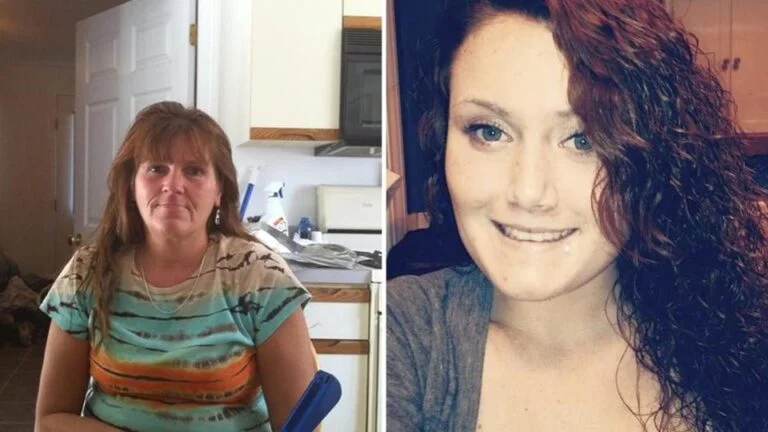
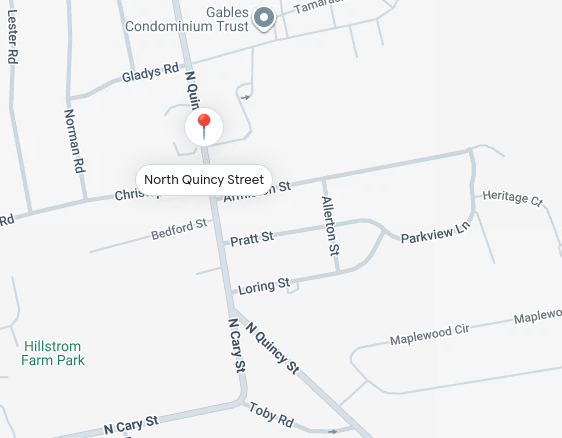
That grim reality shattered the surface on December 28, 2014, when a local dog walker stumbled upon a hidden patch of woods off North Quincy Street, sitting relatively close to residential backyards and a local VFW post. Inside, police uncovered the mutilated and dismembered remains of Ashley Mylett, a 20-year-old whose body had suffered such extreme violence that her family could not hold a viewing for over a week. But as investigators carefully recovered her remains from a pile of wood and debris, they made a second, even more horrifying find: directly beneath or stacked near Ashley’s body were the heavily decomposed, skeletal remains of Linda Schufeldt, a 50-year-old Quincy resident who had vanished without a trace roughly six months prior.
Plymouth County District Attorney Tim Cruz, state police detectives, and federal profilers quickly classified the suspect as a serial predator. Investigators concluded that the killer deliberately targeted women he viewed as vulnerable—specifically individuals battling substance abuse or involved in sex work—calculating that they would be treated as throwaway targets who might not draw immediate, aggressive police scrutiny. Survivors and profilers painted a distinct portrait of the perpetrator: a tall, muscular, fit, and clean-cut man with a deceptive charm who used a dark sedan to isolate victims under the guise of an ordinary encounter, possessing an intimate, working knowledge of Brockton’s geography that allowed him to reuse the exact same secluded dumping ground off North Quincy Street.
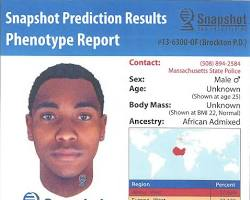
When traditional tips and neighborhood canvasses dried up and ground to a halt, the Plymouth County District Attorney’s Office and Massachusetts State Police pivoted aggressively toward cutting-edge forensic science and public outreach. Investigators sent the perpetrator’s biological profile to Parabon NanoLabs, and on March 7, 2017, officials officially released a computer-generated composite sketch mapping predicted physical traits like skin tone, eye color, and facial structure using early DNA phenotyping. Beyond physical appearance, law enforcement began utilizing familial DNA databases and genetic genealogy platforms—the exact same breakthrough methods used to crack high-profile cold cases like the Golden State Killer—to build out the suspect’s extended family tree and identify potential bloodlines.
Despite these advanced technological pushes and public composites, an exact match has not yet been locked down. Investigators maintain that the file remains an active, high-priority open investigation that will never be closed until an arrest is made. If anyone has any information that could help identify the suspect or recognize the composite sketch, the Massachusetts State Police run a dedicated tip line at (508) 894-2584.
Bring this dirt bag to justice