Brockton Police Lieutenant Promoted After Judge Found ‘Materially False’ Statements in Search Warrant

Brockton Police Lieutenant Promoted After Judge Found ‘Materially False’ Statements in Search Warrant
Brockton, Mass. — Brockton Police Lieutenant Promoted After Judge Found ‘Materially False’ Statements in Search Warrant
A Brockton police lieutenant remained on the department and was promoted despite a court finding that he made materially false statements in an affidavit used to obtain a search warrant in a drug case that ultimately led to a man spending about a decade in prison
.
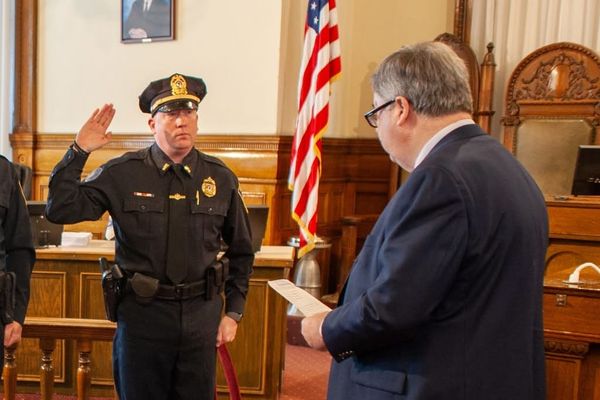
The case involves Brockton Police Lieutenant Matthew Graham, who was a detective when he investigated Allah Mallory in 2016.
According to court records and reporting on the case, Graham prepared a sworn affidavit seeking a search warrant for an apartment in Brockton. The affidavit described several controlled drug purchases that allegedly involved a confidential informant.
Graham stated that Brockton Detective Brian Donahue was present during one of the controlled purchases. Evidence later obtained during Mallory’s post-conviction proceedings, including police time sheets and telephone records, raised questions about whether Donahue could have been present at the time described.
A Plymouth County Superior Court judge ruled in December 2023 that Graham had included “materially false” information in the warrant affidavit. The judge found that Graham was, at minimum, reckless in including the information.
The dispute became significant because the search warrant was used to obtain evidence that prosecutors relied upon in Mallory’s prosecution.
Mallory was convicted in 2019 of drug-trafficking and firearm offenses and was sentenced to 16 to 18 years in prison. He maintained that the alleged controlled buys did not occur as described.
In April 2026, the Massachusetts Appeals Court overturned Mallory’s convictions after determining that the evidence supporting the search warrant should have been suppressed. The court concluded that the time-sheet evidence qualified as newly discovered evidence and that the warrant was invalid.
The Plymouth County District Attorney’s Office subsequently ended the prosecution rather than retrying Mallory.
The case has drawn renewed attention because Graham was promoted to lieutenant in April 2024, approximately four months after the Superior Court judge determined that the warrant contained materially false statements.
The New England Innocence Project has since filed a lawsuit seeking access to records and testimony surrounding the alleged misconduct. The organization says the information could help determine whether there was a broader pattern of misconduct and whether other defendants whose cases involved Graham may have been affected.
The organization has also raised concerns about evidence connected to Mallory’s case, including the destruction of drugs that had been seized during the investigation while the validity of the warrant was being challenged.
Importantly, the court’s finding that the warrant contained materially false statements does not by itself establish that Graham intentionally fabricated the information. The earlier Superior Court ruling discussed the possibility that the statements could have resulted from an inadvertent error, while the Appeals Court later ruled that the warrant was invalid and Mallory was entitled to a new trial.
Graham remains employed by the Brockton Police Department and continues to hold law-enforcement certification, according to available records.
The Massachusetts POST Commission’s publicly available disciplinary database did not list a finding of misconduct against Graham as of its June 2026 update. The commission has said it could not confirm or deny whether it was conducting an investigation.
The controversy now centers not only on what happened during the 2016 investigation, but also on how police departments handle allegations of misconduct when an officer remains employed and advances through the ranks.
The case also raises broader questions about transparency, accountability and the reliability of evidence used to obtain search warrants—particularly when the information comes from sworn statements by police officers.